
 Australia
 Canada
 Denmark
 France
 Germany
 Greece
 Ireland
 Netherlands
 New Zealand
 Norway
 Spain and Portugal
 United Kingdom
 United States
November 23, 2026
For insurance carriers, fleets and self-insured programs, auto claim severity remains one of the toughest costs to manage. While no one can control what today’s vehicles cost to repair, where a damaged vehicle goes and how that repair is managed make a measurable difference. A strong direct repair program (DRP) is one of the most effective ways to influence both.
What’s driving higher auto claim severity?
Auto repair costs continue to rise, driven by increasing parts prices, labor rates and vehicle complexity. According to CCC Intelligent Solutions, the average total cost of repair reached $4,818 in 2025, with parts prices increasing 6.0% and labor rates rising 2.9%. Total losses also reached a record 23.1% of claims.
At the same time, increasingly complex repairs and technician shortages continue to put pressure on repair timelines. CCC data shows that keys-to-keys cycle time averages approximately 13 days for repairs requiring no advanced driver assistance systems (ADAS) calibrations, compared to 15.5 days for repairs requiring one calibration and 17 days or more for those requiring multiple calibrations. Meanwhile, the TechForce Foundation’s 2026 workforce report found that the collision training pipeline meets only 42% of annual demand, with the collision sector experiencing the highest technician turnover among the sectors studied.
Auto claim challenges for carriers, fleets and self-insured programs
These pressures land on everyone who pays for auto repairs, from carriers writing personal and commercial auto to fleets and self-insured programs. Unpredictable parts availability and shop capacity mean longer claim life cycles, more rental days, higher storage and indemnity costs and more difficulty scheduling repairs.
In a time when every delay and dollar counts, having access to a strong direct repair program (DRP) is one of the few levers that improves cost, cycle time and the customer experience at the same time.
How direct repair programmes work
A DRP is a network of repair facilities that have agreed to program standards for pricing, technician training and certification, repair methods, parts usage, documentation and customer communication. When a vehicle is damaged, the carrier, fleet or its claims administrator offers the vehicle owner a convenient network shop. The owner always keeps the right to choose any repair facility. Participating repair facilities are vetted against program standards and monitored for performance throughout their participation.

“Carriers can’t control what today’s vehicles cost to repair. They can control how fast a damaged vehicle reaches the right shop, and how well that repair is managed once it gets there.”
– Chris Bakes, Managing Director, Auto Solutions, Sedgwick
Benefits of direct repair programmes
In today’s strained auto repair environment, a strong DRP brings significant value and stability to carriers, fleets, vehicle owners and repair shops alike. Key benefits include:
- Controlled costs: Contracted labor rates make repair costs more predictable. Consistent estimating guidelines and quality reviews help reduce unnecessary supplements, disputes and avoidable claim costs.
- Faster repair times: Network shops commit to standards for customer contact, status updates and repair time, and the program actively manages to them. Shorter keys-to-keys time means fewer rental days and vehicles back in service sooner.
- High-quality work: Network shops are held to training, certification and OEM repair procedure requirements, including ADAS calibrations, and their work is reviewed. That reduces rework, comebacks and disputes down the line.
- A better experience for the vehicle owner: Owners get a vetted shop, one point of contact and regular status updates. For fleets, efficient repairs help minimize vehicle downtime. For carriers, a more consistent repair experience can improve customer satisfaction and support policyholder retention. Shops benefit too, with a steady stream of program referrals.
How quality is assured in a direct repair program
Lower cost only matters if the repair is done right. In a well-managed DRP, quality assurance runs through the whole repair instead of being a final check:
- Shop vetting: Facilities are qualified on certifications, training, equipment and performance history before joining the network.
- Repair standards: OEM repair procedures and required ADAS calibrations are program requirements, with documentation showing they were completed.
- Estimate review: Every estimate is reviewed by an expert quality assurance team against program estimating protocols before approval, which limits supplements, disputes and claim leakage.
- Ongoing performance monitoring: Shops are measured on cycle time, estimate accuracy, rework and customer feedback, and held accountable to the results.
Reducing avoidable claim severity
While rising labor rates, parts costs and vehicle complexity are contributing to higher auto claim severity, not every cost driver is outside a carrier’s or fleet’s control. Delays in repair scheduling, unnecessary handoffs and inconsistent repair processes can add expenses that may be avoidable.
Some of the most meaningful opportunities to reduce avoidable costs emerge early in the claim process. Selecting the appropriate inspection method, connecting repairable vehicles with qualified facilities and identifying potential total losses sooner can help prevent unnecessary delays and expenses. A strong DRP supports these decisions through coordinated repair management, consistent standards and greater visibility into repair progress.
Want to learn more about what’s driving auto claim severity?
Watch our on-demand webinar, The severity you can control: What’s driving auto claim costs into 2027?, to hear from industry experts about rising costs, which severity drivers carriers can influence and where to focus efforts to reduce avoidable costs.
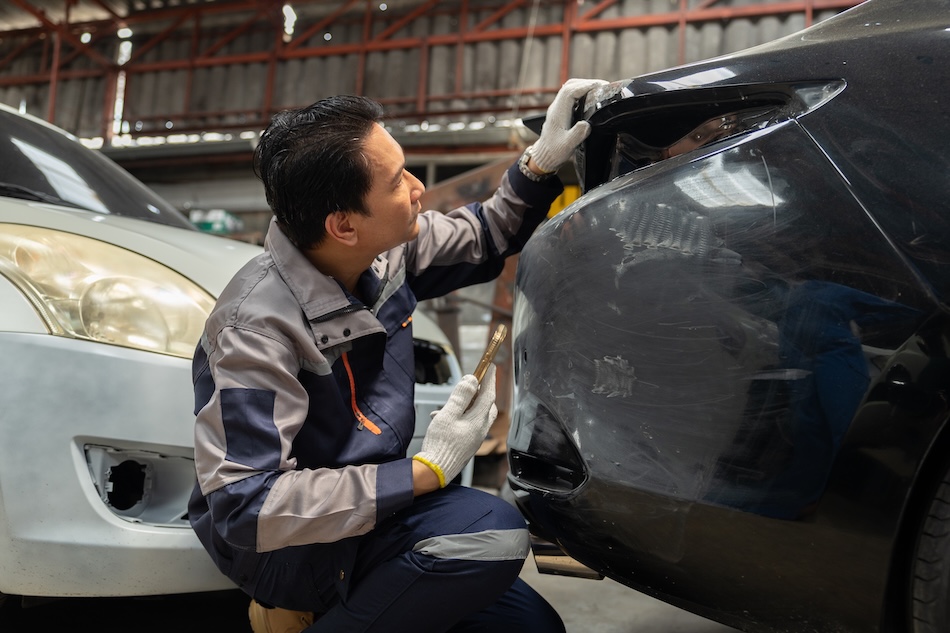
Expanding repair management to heavy equipment
Commercial vehicles and heavy equipment present a different set of repair challenges. Trucks, trailers, buses and construction or agricultural equipment require specialized facilities, technicians and equipment. Extended downtime can also have significant operational and financial consequences for businesses that depend on these assets.
To address these challenges, Sedgwick has expanded its direct repair capabilities with a dedicated Heavy Equipment DRP. The program connects clients with a vetted network of commercial and heavy equipment repair facilities, combining contracted pricing, estimate review and active repair management. By applying consistent oversight while accounting for the unique demands of heavy equipment repairs, the program helps clients better manage repair costs, cycle times and vehicle downtime.
How Sedgwick can help
While carriers and fleets have limited control over broader repair cost trends, they can influence how efficiently repairs are managed. Working with the right DRP partner can help reduce avoidable expenses, improve repair timelines and deliver a more consistent experience for vehicle owners.
Sedgwick manages a national direct repair network of more than 3,400 repair facilities, from multi-shop and regional operators to independent shops, serving more than 100 auto clients, and the network continues to grow.
Sedgwick’s DRP saves an average of more than $550 per repair. About $350 of that comes from contracted labor rates, which average 15% to 20% below prevailing rates. More than $200 comes from estimate review: every DRP estimate is reviewed by Sedgwick’s dedicated quality assurance team before approval, to confirm it follows our estimating protocols for labor, parts, operations and repair procedures. Network repairs also average a 5.5-day reduction in cycle time.
From initial assignment through vehicle pickup, Sedgwick helps clients manage the repair process, reduce administrative burden and improve claim outcomes. With the addition of our Heavy Equipment DRP, we’re extending these capabilities to commercial and specialty vehicles, helping clients address the unique challenges associated with more complex repairs.
Are avoidable costs and delays quietly adding up in your auto program? Our Auto Solutions team will review your current repair process and pinpoint opportunities to lower costs, shorten cycle times, and improve the customer experience.