 Australia
  Canada
  Denmark
  France
  Germany
  Ireland
  Netherlands
  New Zealand
  Norway
  Spain and Portugal
  United Kingdom
  United States
 March 30, 2026
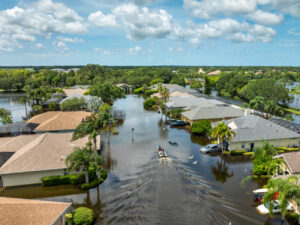
Property carriers are under increased pressure. While severe weather is becoming less predictable, today’s competitive landscape requires them to make faster, smarter decisions — both in the critical hours before a storm and immediately after. At the same time, clients and policyholders are expecting a more efficient claims process than ever before.
To meet these rising demands, many carriers are embracing technology and data-driven tools that streamline fieldwork, support early assessments and help teams stay ahead of large-scale catastrophe (CAT) events.
At Sedgwick, we also understand the importance of preserving the human touch, especially when it comes to CAT events. By blending technology with deep human expertise, we’re building a stronger, more resilient operating model for when disasters strike.
Let’s explore how Sedgwick is using technology to strengthen our CAT claims response, and why human touch is — and always will be — our most powerful tool.
How Sedgwick’s technology strengthens CAT response
Technology enhances every phase of a catastrophe event — from early situational awareness to post‑loss evaluation. While many tools can process imagery or analyze exposure, Sedgwick’s distinction comes from how we integrate those capabilities into a single, coordinated claims operation. Our technology does not replace adjusters; it strengthens their ability to make informed decisions quickly and support clients when clarity matters most.
In the hours and days following a CAT event, quick access to reliable information is critical. Sedgwick leverages a combination of aerial imagery and Geospatial Information Services (GIS) mapping — with AI embedded within many of the underlying data sources — to help adjusters understand conditions on the ground, even when physical access is restricted.
For example, during the California wildfires, our team developed GIS maps combining multiple sources of pre‑loss and post‑loss data. These datasets allowed adjusters to compare structures before and after the event, estimate probable damage and reserve losses, even when entry into impacted neighborhoods was delayed for weeks.
These tools don’t replace an adjuster’s expertise — they help eliminate early delays. The result is a more organized, responsive approach during the moments when speed and clarity matter most.
Stay ahead with expert insights
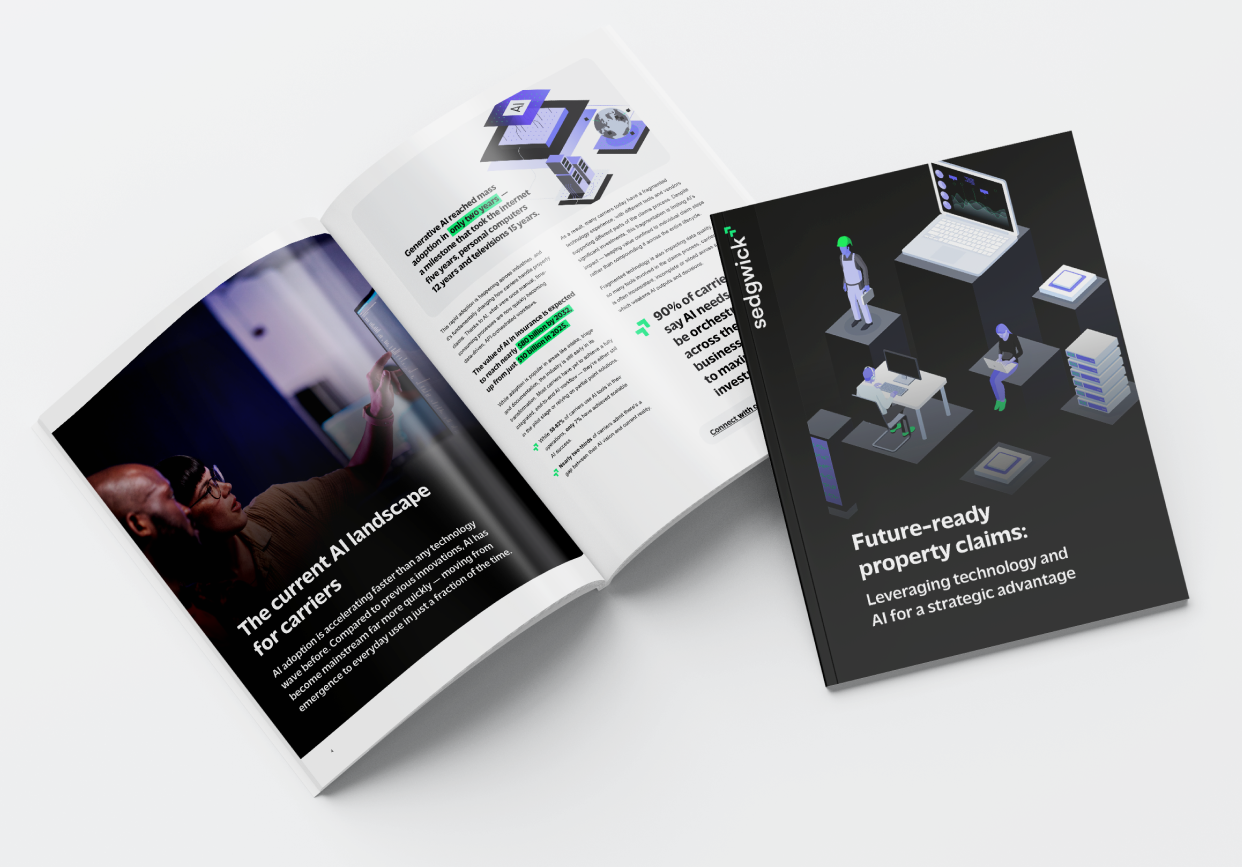
Learn how AI trends and cutting-edge technology are providing a strategic advantage in property claims.
Why human expertise still drives CAT claims success
While emerging technologies will continue to play a key role in managing CAT claims, their real value depends on the people who use them. We know that our adjusters, engineers and CAT specialists bring the context, judgment and field experience that technology can’t replicate.
They understand the nuances of each property and each claim, and they know how to turn complex data from tools into meaningful insights. Even more importantly, they know how to thoughtfully communicate and take care of people after disasters.
Technology can streamline the work, but it’s the human touch that shapes the experience. In times of crisis, clients and policyholders won’t remember the tools used throughout the process — they’ll remember the people who guided them and took the time to listen.
With AI adoption and other innovations across the industry, a carrier’s real competitive advantage now comes from having deeply empathetic people who know how to use them effectively.
The future of CAT response
As weather grows more severe and unpredictable, the future of CAT response won’t be defined by tools or talent alone. It will be about empowering the right people with the right technology to identify risks sooner and help communities recover faster.
Whether it’s a hurricane, wildfire or man-made event, Sedgwick has the resources and expertise to help you navigate the unexpected. Learn more about our CAT response capabilities or contact us for help developing a CAT readiness plan.