 Australia
  Canada
  Denmark
  France
  Germany
  Greece
  Ireland
  Netherlands
  New Zealand
  Norway
  Spain and Portugal
  United Kingdom
  United States
 July 9, 2026
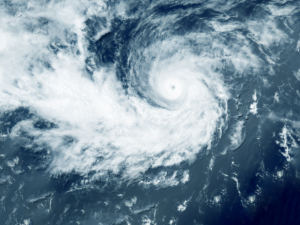
Even with a quieter-than-expected catastrophe (CAT) season, 2025 still tested the operational readiness of carriers, claims teams and their partners. From the flash flooding in Central Texas to the record-breaking hurricane that swept across Jamaica, these events reinforced what our industry already knows: CAT losses are becoming more volatile, more geographically diverse and more difficult to manage with traditional staffing models alone.
With more than 500 colleagues serving clients in the U.S. and the UK, Sedgwick’s Property Americas TPA team sees firsthand how quickly CAT volatility can translate into operational strain for carriers. When claim volumes surge, carriers aren’t just managing increased intake; they’re also balancing customer expectations, regulatory requirements, field capacity, coverage decisions, indemnity controls and reputational risk.
That’s why outsourcing should no longer be viewed as a reactive solution or temporary overflow option. A strategically integrated TPA model is now a core component of CAT readiness. When carrier and TPA teams are aligned before an event occurs, they can respond faster, scale more effectively and deliver more consistent outcomes for policyholders when it matters most.
Why modern CAT events demand scalable solutions
CAT events are no longer isolated seasonal disruptions. Many hurricanes, wildfires, floods and other severe weather events are now happening outside peak season and in unexpected places, putting constant pressure on operations across broader geographic areas. At the same time, carriers are facing a structural talent challenge as rapid adjuster retirements drain resources and institutional knowledge from the industry.
Together, these forces are making it more difficult to respond and keep up with rising demand — especially when relying solely on internal teams. As claim volumes surge and operations are stretched thin, what commonly breaks for carriers isn’t just capacity, but coordination. When people, processes and partners aren’t aligned during CAT events, it can lead to:
- Intake and triage bottlenecks
- Inconsistent field execution across geographies
- Limited visibility into claim status and resource deployment
- Delays in coverage decisions due to incomplete information
- Vendor fragmentation and inconsistent service standards
These failure points aren’t just operational challenges; they also create reputational risk. When a policyholder’s home or business is damaged, how quickly carriers coordinate recovery has a lasting impact on trust and loyalty. As weather patterns shift and become less predictable, integrated TPA support is now critical to maintain service quality and meet customer expectations.
Strengthen your CAT readiness
Get insight into the trends reshaping today’s CAT landscape and unlock field-tested strategies to prepare your operations for the season ahead.
How outsourcing drives stronger CAT claim recoveries
To stay competitive in today’s CAT landscape, carriers need partners who can help them manage claims with speed, control and consistency. With an integrated TPA model, carriers gain immediate access to a full claims ecosystem, including field adjusting, desk adjusting, call center support, digital triage and real-time reporting. When these capabilities are built into a CAT plan before an event, carriers don’t have to wait to secure resources — they can begin responding immediately with established workflows and aligned expectations.
At Sedgwick, our AI-enabled triage process, virtual inspection tools and data-driven insights help our carrier clients accelerate claim handling and streamline decision-making from the moment a CAT event hits. And with a global network of adjusters, we can deploy licensed support anytime and anywhere — all while staying compliant with local regulatory requirements.
When wildfires swept across Southern California last year, our CAT adjusters used advanced drones and GIS mapping capabilities to start assessing damage within just hours. This helped our clients resolve thousands of commercial and residential claims that might’ve otherwise taken weeks. That’s the value of having a strong claims partner: being able to deliver speed and clarity to policyholders when it matters most.
Preparing for what’s next in CAT claims
As CAT events become more frequent and operational complexity increases, carriers need a more flexible and scalable response model. Carriers that treat outsourcing as a core component of their claims strategy will be better positioned to drive stronger claim outcomes and maintain policyholder trust.
In today’s CAT environment, readiness isn’t just about having a plan. It’s about having the right operating model, partner and resources ready to deploy from day one. With the largest team of CAT specialists in the world, Sedgwick helps carriers take care of policyholders before, during and after major weather events. Learn more about our end-to-end CAT claim solutions or connect with an expert to help build your CAT readiness plan.