


2026 Loss Adjusting Insights Report

A new era of property claims is taking shape. Technologies are advancing, pressures are building and risks are becoming harder to untangle.
In this report, Sedgwick experts examine eight trends reshaping property claims. Drawing on industry data and Sedgwick experts’ front-line experience managing complex losses, the report offers practical perspectives to help carriers protect claim quality, strengthen operational resilience and prepare for what’s next.
Explore the highlights below, then access the full report for deeper analysis and actionable considerations for your organization.

Talent shortages: Expertise under pressure
The loss adjusting industry is facing a significant workforce challenge. Property experts are rapidly retiring and taking decades of institutional knowledge with them.
At the same time, claims are becoming more complex to handle — requiring stronger judgment and decision-making skills than ever before.
Now, many carriers are asking themselves the same question: How do we maintain claim quality when expertise is walking out the door?
Talent shortages
Rapid retirements are draining institutional knowledge.
When experienced professionals leave the workforce, carriers don’t just lose capacity. They lose valuable policy knowledge, technical expertise and leadership skills that only come from spending years in the industry. To ensure long-term success, carriers must identify the knowledge areas most at risk and ensure those skills are passed on before they leave the organization.
Loss of industry knowledge
.
Recruiting a new generation of talent
.
Upskilling junior workers
.
Loss of company leadership
.
Automation of roles
.
Outsourcing of roles
.
Dive deeper into talent shortages trends.
Access the 2026 Loss Adjusting Insights Report to explore:
01
How the adjuster retirement wave is reshaping claims operations and workforce planning
02
Practical strategies for accelerating knowledge transfer before critical expertise leaves the organization
03
Workforce models that help carriers scale expertise and maintain service levels during claim surges

As experienced professionals retire, developing and elevating the next generation becomes one of the industry’s most important responsibilities.”
— David Armstrong, Executive Vice President, Property Americas
AI and technology: Moving from adoption to impact
AI is entering a new phase in insurance. The question is no longer what the technology can do, but how carriers can turn it into real, measurable value.
As carriers work to improve claim outcomes, control costs and ease workforce pressures, AI is becoming central to the claims operation, but adoption alone is no longer the differentiator.
Success will depend on building connected, scalable workflows that enhance human expertise rather than replace it.
ai & technology
Carriers are struggling to scale AI across operations.
AI is creating new opportunities across the claims ecosystem. From documentation review and estimating support to claim routing, carriers are increasingly using AI to improve efficiency, reduce leakage and help claims move forward faster. Yet despite significant investment and growing adoption, carriers continue to struggle with scale — limiting the value AI can actually deliver.



$100 billion
expected value of AI technology for insurers
20% – 25%
expected reduction in loss adjusting expenses driven by generative AI
30% – 50%
expected claims leakage reduction driven by generative AI
Dive deeper into AI and technology trends.
Access the 2026 Loss Adjusting Insights Report to explore:
01
Why AI initiatives struggle to move beyond pilots and deliver meaningful results
02
How governance and regulatory expectations are reshaping AI adoption in insurance
03
Ways carriers are balancing AI and human expertise to drive better claim outcomes

The future of claims isn’t AI replacing adjusters. It’s combining world-class claims expertise with intelligent workflows to help professionals process information faster, make better decisions and deliver better outcomes at scale.”
— David Guaragna, Managing Director of Property Operations
Climate volatility: Planning for uncertainty
Catastrophe risk is no longer defined by a single season or peril.
Weather patterns are changing, recovery windows are shrinking and carriers are being asked to do more with fewer resources than ever before.
As losses become more complex, success depends on responding quickly, scaling effectively and staying ready for what’s next.
climate volatility
Severe weather is becoming harder to predict.
The catastrophe landscape looks different today than it did even a few years ago. As climate becomes more volatile, preparedness plans can no longer center around primary perils like hurricanes. Carriers need resilient, flexible claims operations that can adapt quickly and respond to a wider range of catastrophe scenarios.

U.S. weather disasters in 2025 surpassed $1 billion in damages
Dive deeper into climate volatility trends.
Access the 2026 Loss Adjusting Insights Report to explore:
01
Why shifting weather patterns are straining operations and creating shorter recovery windows for carriers
02
How GIS mapping, satellite imagery and drones are accelerating response and improving early decision-making
03
Strategies for scaling claims operations quickly while maintaining service quality during overlapping events

A CAT-ready carrier has planned for all contingencies — flood, wildfire, severe storm and other perils — rather than relying on historical catastrophe assumptions.”
— Andy McCallum, Vice President of Specialty Operations
Appraisals under policy: Closing the valuation gap
A growing divide over loss value is changing the path to claim resolution. As disagreements escalate, carriers face mounting costs, longer timelines and greater risk of litigation.
How carriers handle these disputes not only affects claim duration but can have a lasting impact on policyholder relationships.
Closing that divide quickly and fairly is becoming more critical and reshaping how carriers think about resolution.
appraisals under policy
Loss-value disagreements are becoming more common.
Valuation disputes are increasing and putting more pressure on carriers. As repair approaches and estimating practices continue to evolve, disagreements over how losses should be valued are occurring more often. Now, carriers face growing pressure to settle disputes quickly to avoid litigation and protect policyholder relationships.
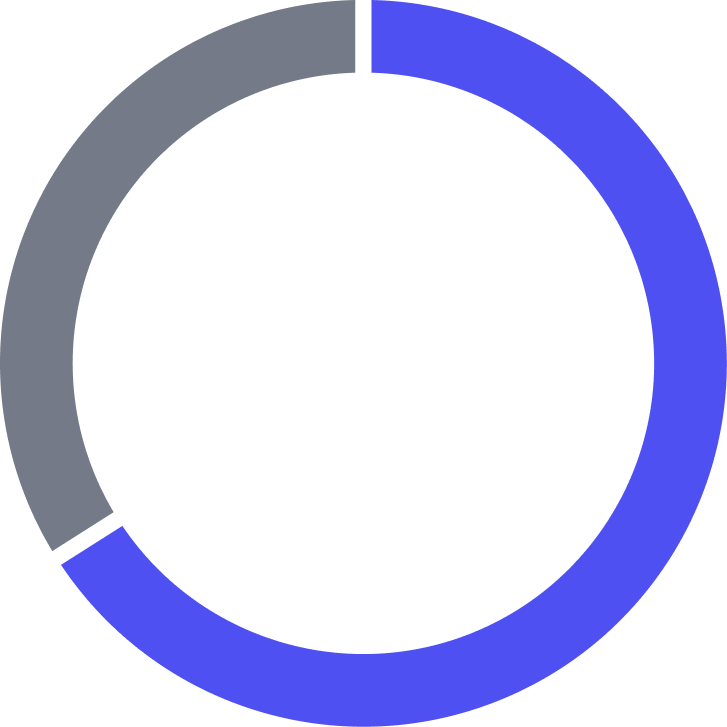
More than 3,500 homeowners’ policy disputes were brought before federal courts in 2025, more than any other year since 2009.
Dive deeper into appraisal under policy trends.
Access the 2026 Loss Adjusting Insights Report to explore:
01
Why appraisal is becoming a routine part of the day-to-day claims handling process
02
How rising repair costs and claim complexity are reshaping valuation disagreements
03
Why more disputes are escalating into litigation and what carriers are doing about it

Appraisal works best when it remains focused on resolution. The longer disagreements remain unresolved, the greater the cost, complexity and disruption for everyone involved.”
— John Gragson, Senior Vice President of Specialty Operations