 Australia
  Canada
  Denmark
  France
  Germany
  Greece
  Ireland
  Netherlands
  New Zealand
  Norway
  Spain and Portugal
  United Kingdom
  United States
 CASE STUDY
Asbestos contaminated mulch at a retail site
By: Duane Pretorius, Environmental Manager – Sedgwick Australia
CASE STUDY 1
Incident summary
Sedgwick responded to a third-party contamination claim resulting from an insured trailer collision that caused an 800-liter diesel spill. The spill impacted a 912 m² tar road, two drain inlets, and a 130-meter stormwater drain line. Quick responses from the local fire department (Fire Rescue Victoria) and city council mitigated immediate risks.
Containment and cleanup
The city council blocked drains with sand to prevent diesel migration into nearby wetlands. The insured authorised a waste and spill management service for the initial cleanup. Vacuum vehicles removed 198 tonnes of contaminated water from stormwater pits and disposed of it at an Environment Protection Agency (EPA)-approved facility.
Environmental consultation
External environmental consultants engaged by Sedgwick conducted stormwater and surface water sampling, which revealed elevated diesel concentrations that needed to be cleaned again. The relevant state environmental authorities issued strict notices to the insured, which activated legal obligations under the Environment Protection Act 2017, the general environmental duty (GED) as well as the EPA’s publication 1991 (responding to harm caused by pollution). Sedgwick initiated a comprehensive and phased approach in line with regulatory requirements. It included:
- Phase 1: Containment measures and initial cleanup, including the removal of contaminated water.
- Phase 2: Sampling drains and outlets, removing additional contaminated water, and reporting to the EPA, including requesting discharge consent to dispose of contaminated water down a sewer system.
- Phase 3: Implementing trade waste permit, filtration and water treatment in the stormwater drain. Containing and removing sand berm with a vacuum truck and disposing of it at an accredited facility. Lastly, ensuring the drain was clean and free of contamination by performing a ‘flush and wash.’
- Phase 4: Project completion, final inspection, reporting and closeout.
Alternate solutions
Upon identifying light non-aqueous phase liquid (LNAPL) remnants, Sedgwick explored alternative disposal options to remove the estimated 120,000 litres contained in the stormwater drain pipeline. A certified environmental practitioner facilitated communications with environmental authorities and the wastewater treatment facility and secured consent for sewer discharge. Strict requirements led to the engagement of a specialist water treatment company to execute the filtration and containment of the sediment to ensure a safe discharge.
Savings and contributions
Investigating alternatives and obtaining a trade waste discharge permit reduced costs by $170,000. Originally quoted at $280,000, the disposal of additional contaminated water was successfully executed at $110,000. Sedgwick’s involvement demonstrated efficient process management by minimising high-cost disposal and exploring alternative treatment options, resulting in significant cost savings.
Conclusion
Sedgwick successfully challenged conventional disposal methods and offered a viable, legal and cost-effective alternative. The treatment approach of the additional 120,000 litres of contaminated water prioritised lower carbon emissions. This case underscores the importance of proactive stakeholder engagement and informed emergency response in ensuring favourable outcomes are reached in hazardous substance incidents.
CASE STUDY 2
Incident summary
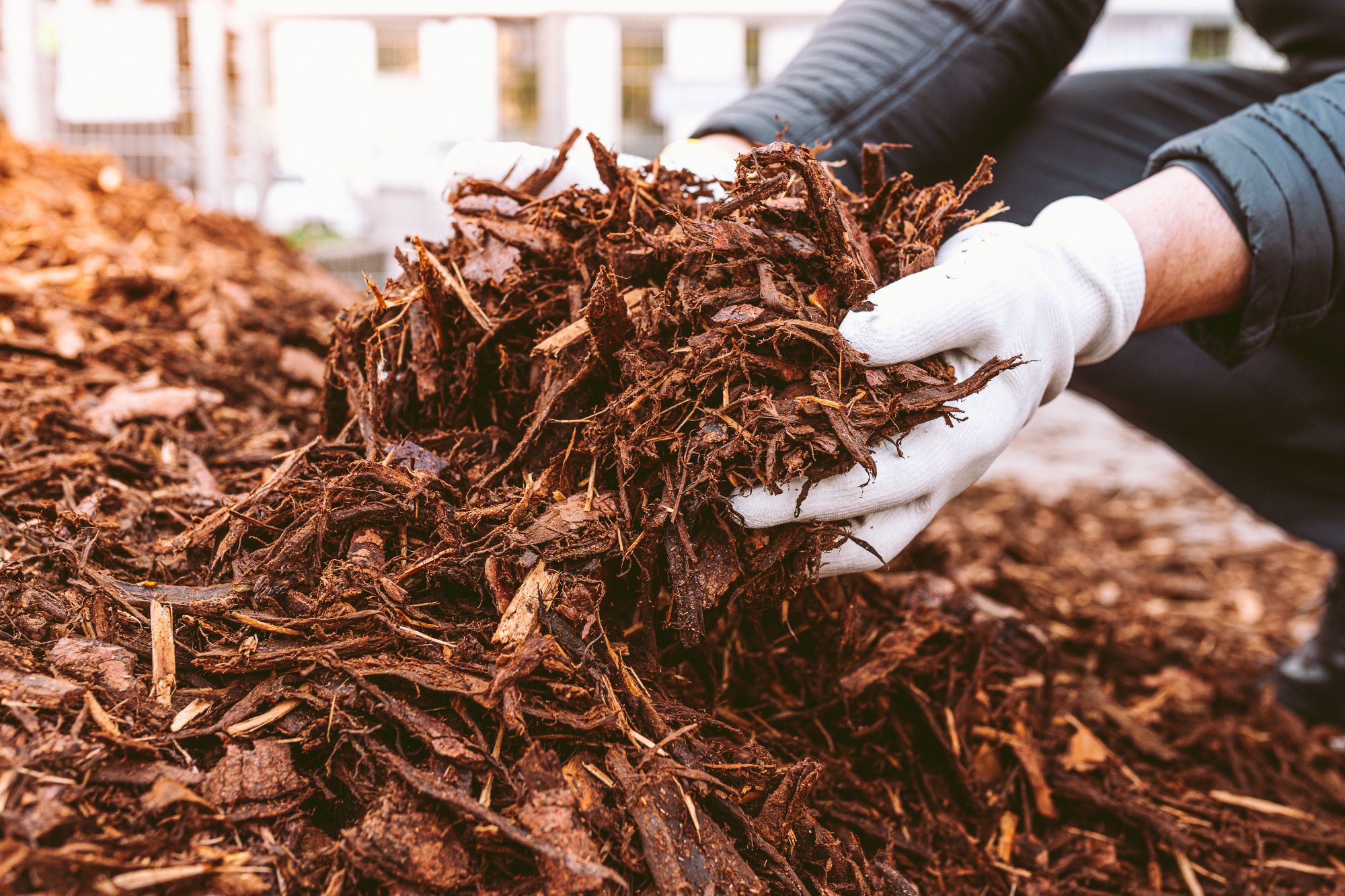
The insurer was notified by the insured about the asbestos contamination at two separate retail, sites. The environmental impairment liability policy was activated to cover the insured’s contractual liability, for cleanup, remediation, and site reinstatement due to the asbestos contaminated mulch, sourced from a specific supplier in New South Wales. The contamination was initially identified and confirmed by the Environmental Protection Authority (EPA) as friable.
Works conducted
The city council
Sedgwick was engaged to provide project management, facilitation and coordination of the removal of 9.98t of asbestos contaminated mulch. Sedgwick managed the insured’s nominated asbestos removal contractor and independent hygienists who executed both the removal and verification, and oversaw the issuing of an asbestos free mulch certification to ensure compliance with the EPA’s requirements. The remediation works included:
- Manual removal of the contaminated mulch using non-destructive hand tools.
- Placement of the contaminated mulch into asbestos waste bags, which were then sealed and transported to skip waste bins (covered, fenced and secured on-site).
- Implementation of dust suppression techniques to prevent cross-contamination.
- Establishment of a dry decontamination method.
- Engagement of a licensed asbestos assessor for daily sampling and clearance inspections.
- Disposal of the asbestos waste at a licensed facility, with disposal certificates issued for each load.
- Reinstatement of clean and asbestos-free mulch.
Savings and contributions
The timely completion ensured the insured met their contractual deadlines and avoided potential penalties. The coordination by Sedgwick and the insurer facilitated efficient use of resources and minimised environmental impact.
Conclusion
The incident of asbestos contamination was promptly addressed by effective coordination among Sedgwick, the insurer and contractors. The contamination was safely removed, and the site was reinstated on time. This case highlights the importance of swift action, set processes, systems and collaboration with Sedgwick’s resources in managing environmental hazards. All costs were verified by comparing the initial quoted contracted rates against the actual rates charged by contractors and suppliers, and were subsequently justified ending in a fair and efficient resolution.