 Australia
  Canada
  Denmark
  France
  Ireland
  Netherlands
  New Zealand
  Norway
  Spain and Portugal
  United Kingdom
  United States
 By: Duane Pretorius, Environmental Manager – Sedgwick Australia
Incident summary
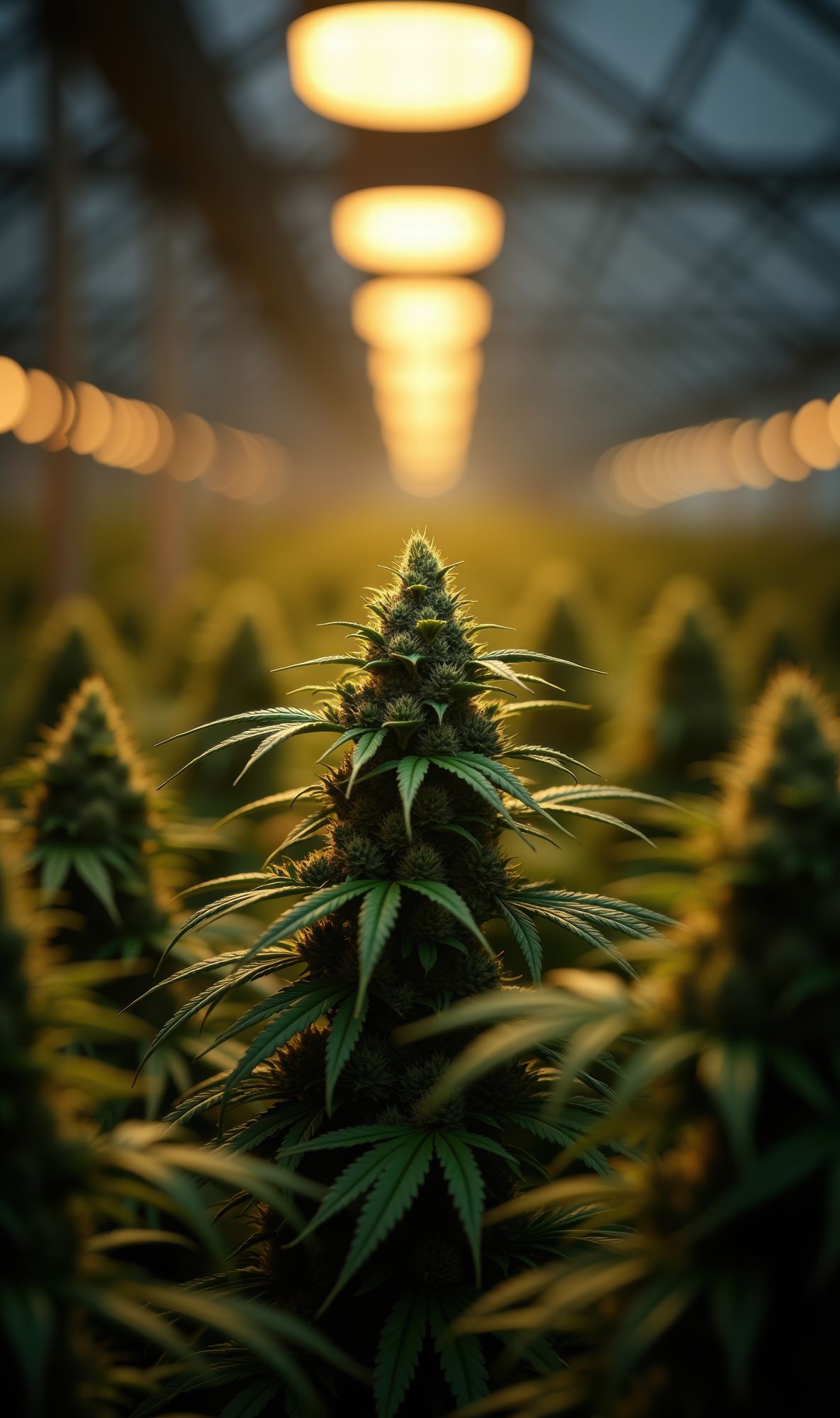
The tenant had converted a warehouse and office into an illicit drug production facility containing six hydroponic grow rooms each 6mx8m, causing significant damage to the property and infrastructure.
Claim summary
The insured discovered the damage upon repossessing the property. Additionally, asbestos removal was required upon discovering that asbestos-containing materials were contaminated with mould.
Works conducted
Sedgwick was appointed to manage the tender process against an established scope of works and utilising the client’s preferred network of restorers. A job specific terms of reference document was created and awarded to the client’s contractor. Sedgwick remained involved through to post-remediation certification, undertaking both project management and validation of the restorer’s costs.
Initial scope of work:
- Site preparation
- Electrical and plumbing safe-making, due to illegal connections
- Safe disconnection and dismantling of illegal structures
- Removal of hydroponic debris, temporary structures and damaged floor coverings
- Detailed remediation and site decontamination
- Safe disposal of all waste, including recycling
- Asbestos removal by a licensed asbestos removalist and verified by a licensed asbestos assessor
Additional scope:
- Installation of drying equipment
- HEPA (high-efficiency particulate air) vacuuming, sanding and cleaning
- Post-remediation evaluation and verification by an independent hygienist identified that further remediation of mould contamination was required along with additional antimicrobial treatment of areas initially cleaned by the restorer
Alternate solutions
During the project, we explored alternative waste management solutions to avoid landfill dumping and disposal. However, the waste was ultimately transported to a transfer station for recycling and separation.
Savings and contributions
The project incurred delays and additional costs due to the discovery of asbestos and the need for repeated mould remediation. Despite these setbacks, the final agreed-upon costs were deemed fair and reasonable.
The restorer invoiced the initial quoted value and had to reduce costs for additional work not covered in the initial scope of work (scope creep caused by the restorer, continuous returns and mould remediation works; the
estimated costs for the additional scope creep were close to $30K). The occupational hygienist’s detailed evaluations ensured the site met environmental standards, which contributed to the project’s successful completion.
Conclusion
The remediation of the illegal grow house was challenging due to multiple unforeseen issues, including asbestos and extensive mould contamination inside wall cavities. Following detailed remediation and verification by an
occupational hygienist, the site was declared satisfactorily cleaned. The property is now ready for reoccupation and repair, having been remediated to meet Australian standards. The cooperation and thorough work of all
parties involved ensured the property’s safe restoration.